본문으로 바로가기

세부 정보를 입력하여 웨비나에 참여하세요.

계속 진행하시면 당사의 이용약관, 개인정보처리방침 및 귀하의 데이터가 미국에 저장되는 것에 동의하시는 것입니다.

스피커

비즈니스용

2명 이상을 교육하시나요?

팀원들이 중앙 집중식 보고, 과제, 프로젝트 등을 포함한 DataCamp 라이브러리 전체에 액세스할 수 있도록 하세요.
DataCamp for Business를 사용해 보세요.맞춤형 솔루션을 원하시면 데모를 예약하세요.

Moving From In-Person Training to Online Training

November 2021
Webinar Preview

Summary

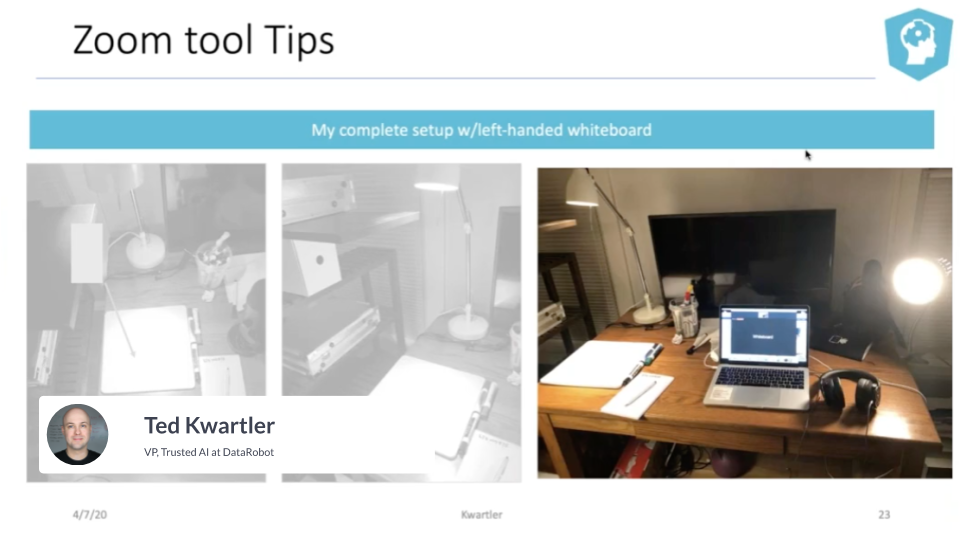
The shift from traditional in-person teaching to online and mixed learning models is gaining more relevance, as discussed by Ted Kortler in a recent webinar. The discussion outlined various advantages of online teaching, such as increased reach, adaptability, and affordability. Kortler shared his personal experiences, instructional strategies, and the difficulties faced in creating effective online courses. Mixed models and flipped classroom techniques were examined as innovative methods to boost student engagement and cater to different learning styles. The talk stressed the need for gauging engagement and the potential of online platforms to create adaptable and scalable learning environments. Furthermore, Kortler provided practical insights into the tools and processes he uses to develop structured and engaging online courses, acknowledging the complexities of maintaining high academic standards in an online environment.

Key Takeaways:

  • Online teaching provides significant benefits, including time efficiency, cost-effectiveness, and increased adaptability.
  • Mixed and flipped classroom models can boost student engagement and cater to different learning styles.
  • Effective online instruction requires consistent processes, clear presentation, and adaptable use of technology.
  • Gauging and feedback are important for enhancing online course offerings and ensuring student satisfaction.
  • Despite the challenges, online platforms offer scalability and reach, enabling teachers to interact with a global audience.

Deep Dives

Advantages of Online Teaching

Online teaching strate ...
더 읽어보기

gies offer numerous benefits, including the ability to save time and reduce logistical efforts. According to Ted Kortler, transitioning to online delivery can limit disruptions and adapt to the schedules of learners, thereby increasing flexibility for both teachers and students. The flexibility extends to organizations as well, allowing them to overcome constraints such as classroom size and geographical limitations. Kortler highlighted the financial benefits, noting that online offerings can maximize income by reaching a broader audience. However, maintaining academic rigor poses challenges, especially with diverse audiences. Kortler recommends developing a library of courses and implementing pre-assessments to ensure a sequential learning experience, aligning with varying skill levels.

Mixed and Flipped Classroom Models

The webinar examined mixed and flipped classroom models as innovative methods to enhance the learning experience. Mixed models combine in-person and online instruction, offering the flexibility of both formats. Kortler shared his experience with teaching at Harvard, where the Helix Classroom promotes engagement across live, remote, and asynchronous participants. The flipped classroom model, adopted by institutions like the Harvard Kennedy School, reverses the traditional learning sequence. Students interact with online modules and assessments before attending live lectures, allowing for deeper discussions and personalized instruction. This model allows teachers to focus on areas where students struggle, enhancing the overall learning outcomes.

Developing Structured Courses

Kortler emphasized the importance of consistency and clarity in developing structured courses. He warned against assuming that advanced technology alone ensures effective learning outcomes. Instead, teachers should focus on creating a user-friendly experience, minimizing distractions, and ensuring that learners concentrate on the content rather than dealing with the platform. Kortler shared his process, which includes maintaining a consistent structure for course materials, utilizing tools like GitHub for coding lessons, and ensuring that students have access to essential resources. By adopting a consistent process and presentation style, teachers can reduce cognitive load and enhance student engagement.

Engaging Students and Gauging Success

Engaging students in an online setting requires thoughtful strategies and adaptability. Kortler discussed the importance of setting clear expectations, using humor and narratives to build connection, and breaking lectures into manageable sections. Online platforms offer unique opportunities for gauging engagement through key performance indicators, such as participation in discussion forums, completion rates, and interaction with course content. Kortler stressed the value of feedback and reflection, encouraging teachers to continuously adapt and enhance their courses based on student responses. By leveraging these insights, teachers can create an adaptable and responsive learning environment that meets the needs of diverse audiences.


관련된

data sheet

In-person vs online training

Deciding between in-person or online training? Check out our one page guide.

webinar

Train Your Workforce to Thrive in a Data-Driven Age

Develop a scalable data training program and measure its effectiveness.

webinar

DataCamp in Action — Data Upskilling for Your Organization

Learn how 2,500+ Businesses are using DataCamp to close their team’s skill gaps

webinar

How to Roll Out an Online First Data Literacy Program

Design a learning program that also delivers the ROI you’re looking for.

webinar

Make the most of your organization’s data with business intelligence

Learn how to scale data insights in your organization with business intelligence

webinar

Data Skills to Future-Proof Your Organization

Discover how to develop data skills at scale across your organization.