
Program
Yardımcı Veri Analisti SQL içinde
39 sa
"en iyi veri analisti sertifikası" araması yaptığınızda, onlarca liste ve sınav tabanlı sertifikalardan rehberli sertifikalara ve uygulamalı kariyer yollarına kadar pek çok seçenekle karşılaşırsınız. Bu kadar çok seçenek, yeni başlıyorsanız kafa karıştırıcı olabilir.
Bu veri analisti sertifikaları rehberi, ister hiç SQL yazmamış olun ister verilerle çalışıyor ve İK filtreleri için taşınabilir bir rozet istiyor olun, bir veri analisti belgesini tartan herkes için hazırlandı. Seçenekleri, gerçekte neyi doğruladıklarına, kabaca ne kadara mal olduklarına ve hangi okuyucuya uygun olduklarına göre ayırdım. Tahmin edebileceğiniz gibi, tek bir sertifikanın herkes için en iyisi olduğu bir durum yok.
Seçimlerimi işe alımcı tanınırlığı, fiyat şeffaflığı ve her birinin ne kadar uygulamalı pratik içerdiğine göre yaptım.
Listeye geçmeden önce, aklınızda netleştirmeniz gereken bir ayrım: certification genellikle bir sınavı geçmek anlamına gelir (CompTIA Data+, CAP), certificate rehberli bir programı tamamlamak demektir (Google, IBM) ve career track ise üzerine bir doğrulama da eklenmiş şekilde beceriler ve portföy oluşturmayı ifade eder (DataCamp). Okurken bunu aklınızda tutun.
| Sertifika | Tür | Seviye | En uygun |
|---|---|---|---|
| DataCamp Veri Analisti Sertifikası | Kariyer yolu + sertifikasyon | Giriş seviyesi | Uygulamalı kodlama pratiği ve bir belge |
| Google Veri Analitiği Sertifikası | Sertifika | Başlangıç | En güçlü başlangıç marka bilinirliği |
| IBM Veri Analisti Sertifikası | Sertifika | Başlangıç | Python odaklı analitik giriş |
| CompTIA Data+ | Sınav sertifikasyonu | Kariyerin başı | Satıcıdan bağımsız, taşınabilir belge |
| Microsoft Power BI Veri Analisti (DP-600) | Sınav sertifikasyonu | Orta | Power BI ve Microsoft Fabric işleri |
| Meta Veri Analisti | Sertifika | Başlangıç | İş analitiği odaklı başlangıçlar |
| CAP (INFORMS) | Sınav sertifikasyonu | Kariyerin başı | Satıcıdan bağımsız bir deneyim arayanlar |
Bu nitelikler arasındaki farkları netleştiren kısa bir başvuru tablosu aşağıdadır.
| Kategori | Ne doğrular | Örnek |
|---|---|---|
| Sertifikasyon | Bir sınavı geçmek | DataCamp, CompTIA Data+, CAP, DP-600 |
| Sertifika | Rehberli bir programı tamamlamak | Google, IBM, Meta |
| Kariyer yolu | Doğrulamayla birlikte beceriler ve portföy | DataCamp Veri Analisti |
Bunları en başlangıç dostu ve uygulamalı olandan, en kıdemli ve sınav ağırlıklı olana doğru sıraladım; yani aşağı indikçe her seçeneğin varsaydığı deneyim artar.
Tek bir sınavı geçip özgeçmişinize logo eklemek yerine, bir belge alırken gerçekten becerileri öğrenmek istiyorsanız doğru seçim budur. Bu sertifikasyonda birkaç seçenek de bulunuyor.
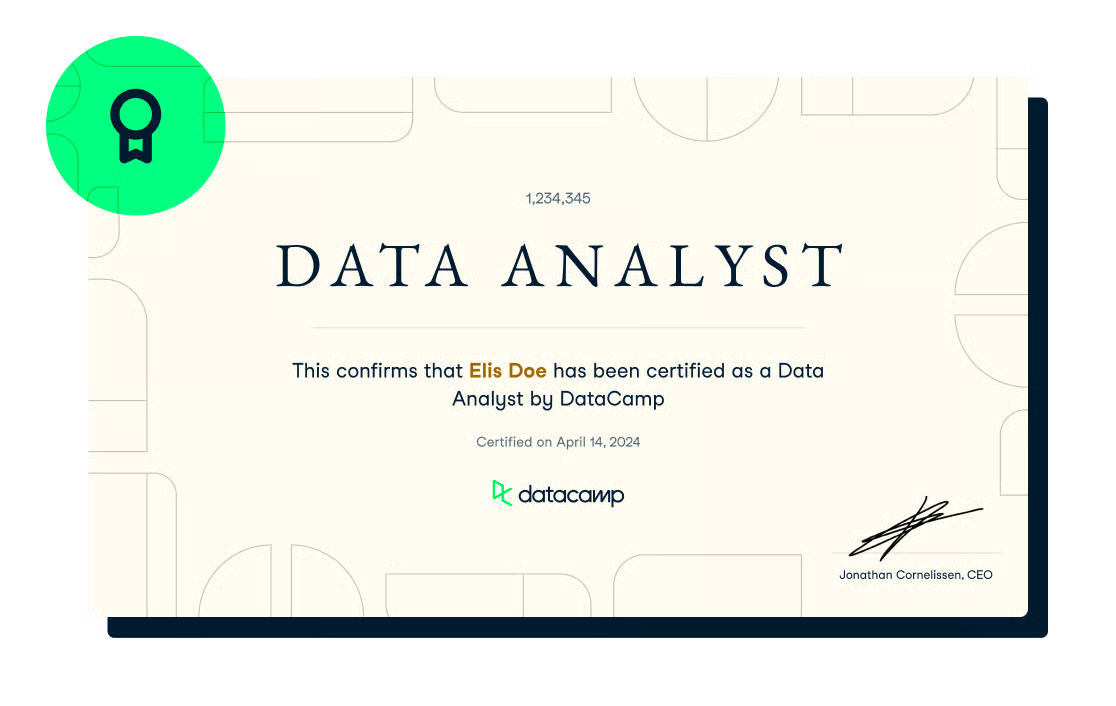
Sadece sınav tabanlı seçeneklerden ayrıldığı nokta formatıdır. Tek oturumluk bir test yerine kodlama alıştırmaları, projeler ve vaka çalışmalarını birleştirir; böylece sadece geçme notu almak yerine pratik yapmış olarak tamamlarsınız.
Tanınırlığı beceri doğrulamasında yatıyor; böylece işe alımcılara pratik bilgiye sahip olduğunuzu gösterebilirsiniz.
Yola başlayın: SQL ile Associate Data Analyst, Python ile Data Analyst veya R ile Data Analyst.
Bu, muhtemelen listedeki her şey arasında en güçlü başlangıç marka bilinirliğine ve en geniş işe alımcı aşinalığına sahip; bu yüzden 2026 özetlerinde sıkça yer alıyor. Google’ın resmi sayfası, diploma veya deneyim gerektirmediğini ve artık Google uzmanlarından yapay zeka eğitimi içerdiğini belirtiyor.
Yapı, toplamda yaklaşık 240 saatlik 8 dersten oluşuyor. Google, haftada 20 saatle 3 ay veya haftada 10 saatle 6 ay olarak tahmin ediyor; tamamı Google Career Skills ve Coursera üzerinden çevrimiçi sunuluyor.
Maliyet açısından içerik denetlenmek üzere ücretsiz; sertifikanın kendisi ise aylık yaklaşık 35 ABD doları. Başlıca sınırlama, Google’ın kendi araçlarına ve elektronik tablolar + SQL iş akışlarına ağırlık vermesi; bu nedenle günümüzde analistlerin beklediği Python derinliği daha hafif kalıyor.
Resmi Google sayfasını okuyun: Google Data Analytics Certificate.
Bu, elektronik tablo öncelikli değil, Python öncelikli bir yoldur. Başlangıç dostudur ve Google’ın sertifikasından daha güçlü bir kodlama vurgusu vardır.
Fiyatlandırma aylık yaklaşık 35 ABD dolarıdır; Google’ın sertifikasıyla aynı aylık model. Bu da aradaki seçimi çoğunlukla araç seti hakkında yapar: IBM, Python ve veri analizi kütüphanelerine yaslanırken; Google, elektronik tablolara ve kendi yığınına yaslanır.
Uyarı şu ki, IBM’in bu özel yeterlilik için teknik olmayan işe alımcılar arasındaki marka bilinirliği Google’ınkinden bir tık aşağıda. Eğer yalnızca İK anahtar kelime eşleşmesi için optimize ediyorsanız Google öne çıkar; kodlama hazırlığını önemsiyorsanız IBM daha uygundur.
Bu veri analisti sertifikası hakkında daha fazlasını okuyun.
Bu, tek bir şirketin araçlarına bağlı olmayan satıcıdan bağımsız, sınav tabanlı bir belgedir. İşverenler ve teknoloji yığınları arasında taşınabilir bir şey isteyen kariyerinin başındaki profesyoneller için fena bir seçenek değildir.
Maliyet net ve peşindendir: Sınav 225 ABD doları, hazırlık paketleri ise 100 ila 500 ABD doları arasında. Bu tek seferlik ödeme yapısı, DataCamp, Google ve IBM’in aylık abonelik modelinden farklıdır; ancak ekstraları eklediğinizde oldukça daha pahalıya gelebilir.
Ödün şu ki, Data+ portföy oluşturmaktan ziyade bir testle bilgiyi doğrular; yani geçmek, soruları yanıtlayabildiğinizi kanıtlar ama analiz teslim ettiğinizi değil. Rozetin yanına gösterecek bir şey isterseniz veri analisti proje çalışmaları ile eşleştirin.
Resmi sayfayı okuyun: CompTIA Data+.
Hedeflediğiniz işler Power BI ve Microsoft Fabric üzerinde çalışıyorsa iyi bir seçimdir; bu da kurumsal BI rollerinin büyük bir bölümünü kapsar. Genel Python analitiğinden ziyade net biçimde BI ağırlıklı yığınları hedefler.
DP-600 sınavı 165 ABD dolarıdır; CompTIA Data+’dan daha ucuz ve kıdemli CAP belgesinin çok altındadır. Karşılaştırma için, Tableau’nun benzer Veri Analisti sertifikası 2 yıllık yenileme döngüsü kullanır ve yeniden giriş ücreti 250 ABD dolarıdır.
Sınırlaması kapsamdadır: Bu yeterlilik bilerek araç özgüdür. Microsoft ortamında çalışmıyorsanız, Power BI ve Fabric odağı, CompTIA Data+ gibi satıcıdan bağımsız bir seçeneğe kıyasla daha az aktarılabilirdir.
Resmi sayfayı okuyun: Microsoft Power BI Data Analyst.
Bu sertifika, başlangıç seviyesinde iş analitiği odaklı bir seçenektir; başlangıç katmanında Google ve IBM’in sertifikalarına benzer. Ağır istatistiksel veya mühendislik çalışmalarından ziyade iş ve pazarlama analitiğine yönelir.
Diğer büyük marka sertifikaları gibi çekiciliği, işe alımcı aşinalığı ve yapılandırılmış bir başlangıç yoludur. Google ve IBM yolları sektör odağınıza uymuyorsa makul bir alternatiftir.
Kılavuzu okuyun: veri analisti nasıl olunur.
Başlangıç seviyesinden daha kıdemli olanlara kadar çeşitli CAP yeterlilikleri vardır. Essentials niteliği, temel analitik bilgisini oluşturan veya resmileştiren kariyerinin başındaki profesyonellere yöneliktir.

Fiyatlandırma bu seçenek için oldukça yüksektir; üyeliğe bağlı olarak 195 ila 275 ABD doları arasında değişir; üyelik yıllık 190 ABD dolarıdır (öğrenci veya emekliyseniz 46 ABD doları).
Maliyet yüksek olsa da bu sertifikasyon satıcıdan bağımsızdır; bu da daha dar kapsamlı seçeneklere kıyasla daha geniş bir bilgi yelpazesi sunacağı anlamına gelir.
Resmi sayfayı okuyun: Certified Analytics Professional (CAP).
Tümünü toplamaya çalışmak yerine, nereden başladığınıza bağlı olarak ben bunları şöyle sıralardım. Ayrıca gerekli becerileri öğrenmek için nelerin gerektiğini kapsamlı şekilde anlamak üzere tam veri analisti yol haritamıza göz atmanızı öneririm.
Veri işine yeniyseniz, çoktan seçmeli teoriden ziyade uygulamalı pratiğe öncelik verin. DataCamp'in Data Analyst Associate SQL yolu gibi temel öğrenme yolları, gerekli kodlama tekrarlarını sağlar.
Yalnızca bir sınavı geçtiğinizi kanıtlayan bir sertifika, işi yapabildiğinizi göstermez; bu nedenle DataCamp Associate Data Analyst Sertifikası son derece etkili bir başlangıç noktasıdır. Süreli sınavları ve pratik bir kodlama değerlendirmesini tamamlamanızı gerektirir. Hedeflediğiniz roller sıkı biçimde elektronik tablo ağırlıklıysa, Google Veri Analitiği Sertifikası bu aşamada daha az teknik olsa da makul bir eklenti olarak kalır.
Artık bir analizi güvenle yürütebildiğinizde, işe alımcılara gerçek dünya hazır olduğunuzu kanıtlayan bir belge ekleyin. CompTIA Data+ tek seferlik 225 ABD doları ücretle size satıcıdan bağımsız, taşınabilir bir belge sunarken, DataCamp Veri Analisti Sertifikası modern veri yığınları için çoğu zaman daha güçlü bir tercihtir.
Öne çıkmasının nedeni, standart teknik testlerin ötesine geçmesidir; bulgularınızın kayıtlı bir sunumunu gerektirir ve işe alım yöneticilerinin aradığı iletişim becerilerini birebir taklit eder. İşverenlere yalnızca söz dizimi ezberlemediğinizi, verileri gerçekten iş değerine çevirebildiğinizi kanıtlar.
Teknoloji yığınınızı biliyor ya da kıdemli işlere geçiyorsanız, odağınızı araç spesifik veya yaşam döngüsü odaklı sertifikalara kaydırın. Microsoft’un DP-600’ü (yaklaşık 165 ABD doları), Power BI ve Fabric ekipleriyle çalışıyorsanız idealdir. Alternatif olarak Certified Analytics Professional (CAP), üst düzey strateji veya yönetime adım atan daha deneyimli analistler için seçenekler sunar.
Not etmeye değer bir nokta: Bu alandaki en büyük karışıklık, bir sertifikayı, bir sertifikasyonu ve bir kariyer yolunu birbirinin yerine kullanmaktır. DataCamp’in kariyer yolu gibi bir yol, beceriler ve bir portföy oluşturur; CompTIA Data+ veya CAP gibi sınav sertifikasyonu test bilgisini kanıtlar; Google’ın veya IBM’in sertifikası ise arada bir yerde durur. İşe alım yöneticileri, İK filtrelemesi için marka tanınırlığı yüksek satıcı sertifikalarına hâlâ sıkça değer veriyor; eğer hedefiniz buysa yalnızca beceri doğrulamasına güvenmeyin.
Çoğu yeni başlayan için, yalnızca sınav sorularını ezberlemek yerine gerçek analiz yapmaya zorladığı için DataCamp Veri Analisti gibi uygulamalı bir yolla başlardım. Bundan sonra dallanma hedefinize bağlıdır: işe alımcı anahtar kelimeleri için optimize eden bir kariyer değiştirici Google veya IBM sertifikasını ekleyebilir; taşınabilir bir rozet isteyen kariyerinin başındaki bir profesyonel ise CompTIA Data+’a girmelidir.
Bir belge seçmeden önce daha geniş bir temel istiyorsanız, Python ile Data Analyst yolumuzla başlamanızı öneririm.
Öne Çıkan DataCamp Kursları
Program
Program
Program
blog
Dario Radečić
15 dk.
blog
Abid Ali Awan
14 dk.
Eğitim
Kurtis Pykes
8 dk.
Eğitim
Adel Nehme