
Corso
Concetti di IA generativa
2 ore
121.1K
Pratica and corso your progress.
Continua Con GoogleViviamo in un’epoca di progressi tecnologici rivoluzionari, con molte aziende che iniziano a integrare nuove tecnologie di IA generativa sul lavoro. Data scientist e analisti le stanno usando per aumentare la produttività e la qualità del loro lavoro.
Prima di ChatGPT, data scientist e analisti utilizzavano GitHub Copilot per assistere in compiti di coding come ottimizzazione, formattazione, debug e scrittura di unit test. Tuttavia, ChatGPT ha cambiato le regole del gioco, permettendo di applicare l’IA generativa praticamente a ogni attività di data science, dal data cleaning allo sviluppo e al monitoraggio dei modelli.
Approfondisci i modelli GPT, in particolare GPT-4, leggendo il nostro articolo Cos’è GPT-4 e perché è importante?
Dalla pubblicazione di ChatGPT e Claude, abbiamo assistito a rapidi progressi nei sistemi di IA open-source e commerciali. Questo articolo confronta Claude—un modello all’avanguardia di Anthropic—e ChatGPT di OpenAI, concentrandosi sul loro uso nei compiti di data science.
Se ti interessa, ci sono alternative open-source a ChatGPT e strumenti di IA gratuiti da esplorare per creare il tuo chatbot di IA. Puoi anche scoprire come funziona il nuovo assistente AI di DataCamp in un articolo dedicato.

Immagine dell’autore
Claude, sviluppato da Anthropic, è un modello linguistico di grandi dimensioni (LLM) progettato per generare testo, scrivere codice e funzionare come assistente automatico intelligente, proprio come ChatGPT.
La tecnica unica di Anthropic, la cosiddetta “Constitutional AI”, assicura che Claude sia allineato ai valori e agli obiettivi umani fin dall’inizio.
Una delle funzionalità di punta di Claude per gli sviluppatori è Claude Code, uno strumento agentico per il coding incluso nell’abbonamento Claude Pro. Per guide pratiche, consulta i nostri vari articoli: su Claude Opus 4.6, Claude Sonnet 4.6, Claude Opus 4.5 e Claude Sonnet 4.
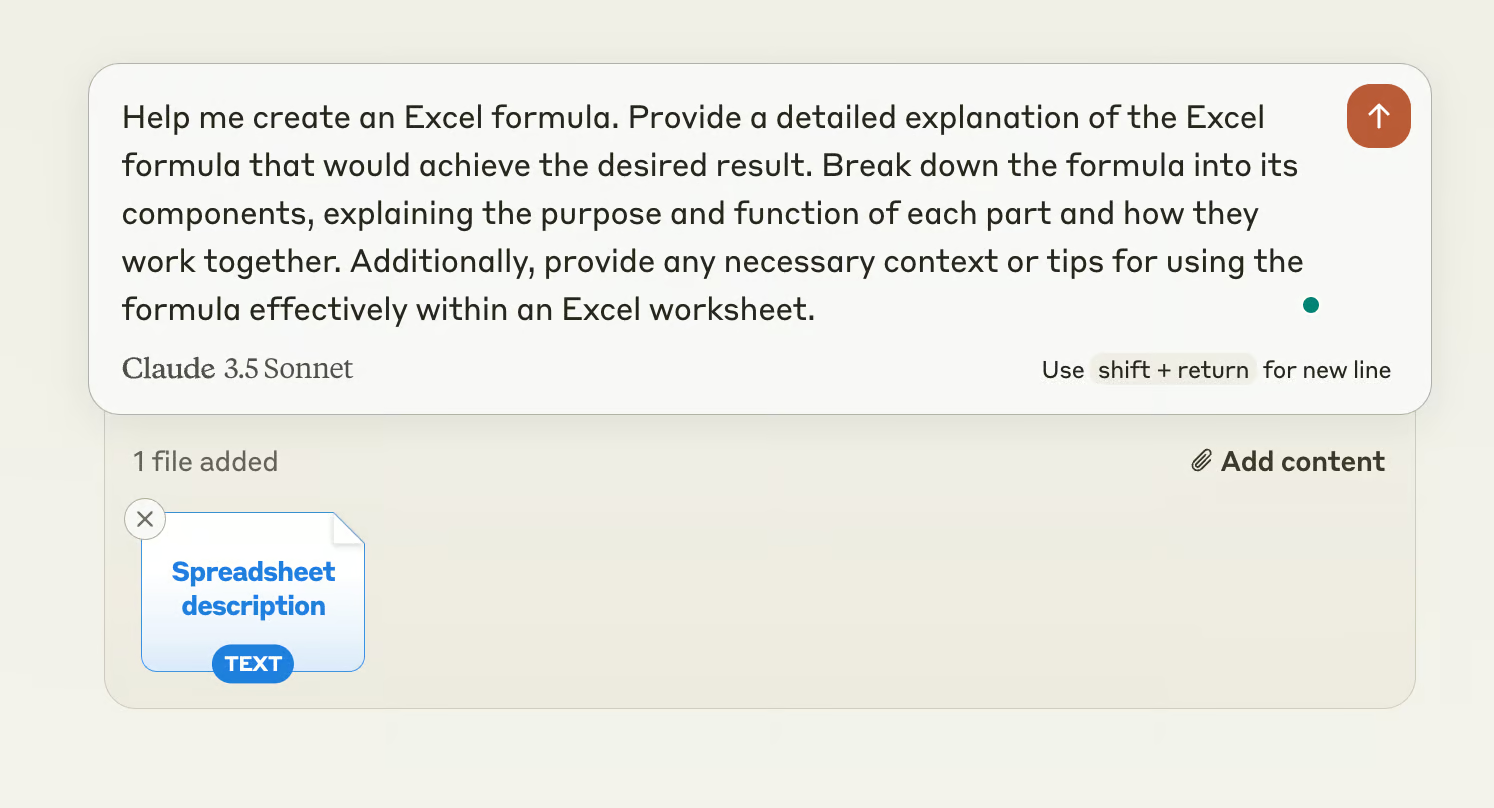
Interfaccia utente di Claude. Immagine dell’autore (lo screenshot potrebbe riflettere una versione precedente dell’interfaccia)
La disponibilità di Claude è cresciuta significativamente dal lancio iniziale e ora puoi accedervi tramite diverse interfacce:
Tieni presente che, al momento, devi trovarti in una delle località supportate da Claude per accedere a questi servizi. Per le informazioni più aggiornate su località supportate e dettagli di accesso, visita Claude.ai.
ChatGPT è una piattaforma conversazionale basata su IA sviluppata da OpenAI. Utilizza modelli linguistici di grandi dimensioni come GPT-5.4, GPT-4o e modelli di reasoning o3 per abilitare conversazioni simili a quelle umane tramite prompt in linguaggio naturale. Per maggiori informazioni, leggi la nostra guida completa, Che cos’è ChatGPT?
Il chatbot è in grado di generare codice, tradurre testi da una lingua all’altra, riassumere passaggi lunghi, comprendere correttamente il contesto nelle conversazioni ed eseguire vari compiti complessi.
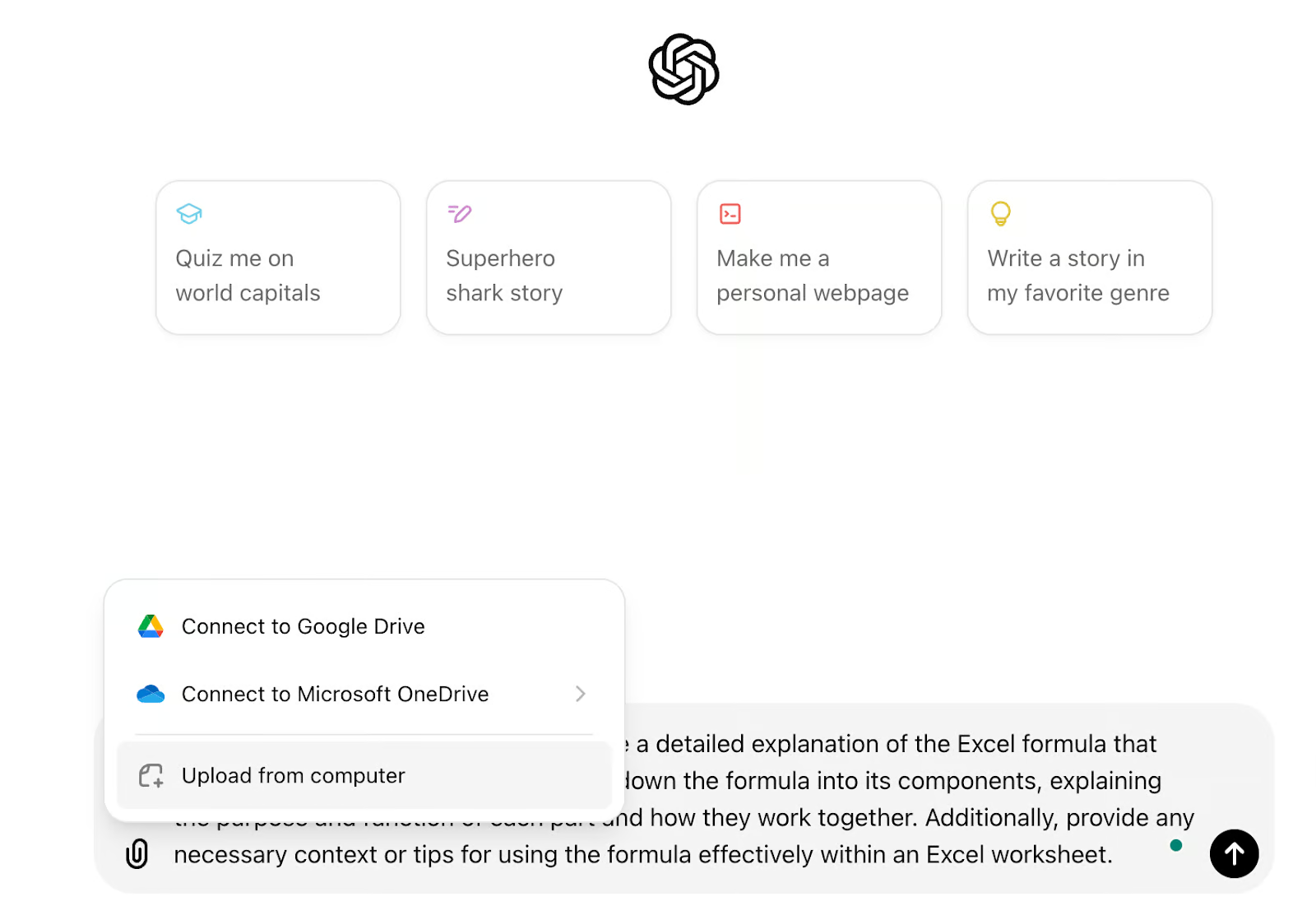
Interfaccia utente di ChatGPT. Immagine dell’autore (lo screenshot potrebbe riflettere una versione precedente dell’interfaccia)
Accedi a ChatGPT creando un account gratuito su OpenAI.com. L’account gratuito dovrebbe fornire accesso ai modelli più recenti con alcuni limiti. Per un’esperienza avanzata, valuta l’abbonamento a ChatGPT Plus, che sblocca accesso anticipato a nuove funzionalità, analisi dei dati, caricamento di file, visione e navigazione web, generazione di immagini con DALL·E e altro ancora. Offrono anche piani Team ed Enterprise con ancora più funzionalità.
Puoi anche accedere ai modelli di OpenAI tramite API.
Sia Claude che ChatGPT offrono prezzi competitivi con livelli gratuito e premium al 2026:
| Piano | ChatGPT | Claude |
|---|---|---|
| Gratis | GPT-4o mini con limiti di utilizzo | Claude Sonnet con limiti di utilizzo |
| Plus/Pro (20 $/mese) | GPT-5.4, GPT-4o, o3, DALL·E, voce, code interpreter | Claude Sonnet 4.6, Claude Code, contesto esteso |
| Team (25–30 $/mese) | Limiti più alti, controlli admin, funzionalità workspace | Limiti più alti, gestione team, accesso prioritario |
| Enterprise | Prezzi personalizzati, SSO, sicurezza avanzata | Prezzi personalizzati, SSO, sicurezza avanzata |
Al livello da 20 $/mese, ChatGPT Plus offre più funzionalità multimodali (generazione di immagini, voce, video). Claude Pro è più focalizzato ma include Claude Code, un vantaggio significativo per gli sviluppatori. Nessuna delle due aziende ha aumentato i prezzi premium nonostante il rilascio di modelli notevolmente potenziati.
Confrontiamo i due chatbot, Claude e ChatGPT, sulla base di prompt di esempio per attività di data science, tra cui pianificazione di progetto, programmazione, analisi dei dati, machine learning, serie temporali ed elaborazione del linguaggio naturale.
Nota: non è una valutazione esaustiva, dato che usiamo un singolo esempio di prompt per determinare quale modello di IA fornisce l’output migliore per i compiti specifici.
Prima di confrontare in dettaglio i risultati, rivediamo la tabella comparativa per individuare le principali differenze tra Claude e ChatGPT.
|
ChatGPT |
Claude |
|
|
Azienda madre |
OpenAI |
Anthropic |
|
Sostenuta da |
Microsoft |
|
|
Lancio |
30 novembre 2022 |
14 marzo 2023 |
|
Numero di utenti |
Oltre 800 milioni attivi a settimana |
Milioni di utenti su web, mobile e API |
|
Tecnologia utilizzata |
Modelli di reasoning GPT-5.4, GPT-4o, o3 (2026) |
Claude Sonnet 4.6, Opus 4.6 (2026) |
|
Calcoli |
Avanzati |
Buoni |
|
Ragionamento matematico |
Forte (modelli o3) |
Buono |
|
Capacità di scrittura |
Creativa |
Naturale |
|
Generazione di codice |
Forte |
Ottimizzata |
|
Riassunto di testi |
Buono |
Superiore |
|
Analisi dei dati |
Completa |
Ottimizzata |
|
Machine learning |
Forte |
Forte |
|
Serie temporali |
Buone |
Eccellenti |
|
Elaborazione del linguaggio naturale |
Migliorata |
Altamente accurata |
Tabella dell’autore
Problema: Nel prompt abbiamo incluso la descrizione di un dataset e l’obiettivo di progetto per costruire un modello di classificazione dei prestiti. Chi è interessato ad accedere al dataset e alla pianificazione del progetto può trovarli in Guida all’uso di ChatGPT per progetti di data science.
Verdetto: Entrambi sono ottimi nella pianificazione del progetto, ma ChatGPT è leggermente migliore nel presentare le informazioni e i passaggi aggiuntivi.
Problema: Abbiamo chiesto a entrambi i modelli di ottimizzare un esempio di loop annidato in Python.
Verdetto: Mentre ChatGPT ha tentato di ottimizzare il codice memorizzando i valori in una lista, Claude ha convertito i loop annidati in una list comprehension, con un’esecuzione più veloce. Claude è quindi risultato vincitore.
Problema: Abbiamo incaricato entrambi i modelli di condurre un’analisi esplorativa dei dati su un dataset di classificazione dei prestiti.
Verdetto: Sebbene ChatGPT abbia dimostrato forti capacità di analisi dei dati, la competenza di Claude nello scrivere codice Python efficiente gli ha dato il vantaggio. Mentre ChatGPT ha impiegato una varietà di librerie per l’analisi, Claude si è affidato esclusivamente a pandas per visualizzazione, elaborazione e analisi, mostrando una grande padronanza dello strumento. Di conseguenza, Claude è il chiaro vincitore.
Problema: Abbiamo chiesto a entrambi i modelli di effettuare valutazioni dettagliate del modello usando la cross-validation e di valutare metriche come accuracy, precision, recall e F1-score.
Verdetto: Claude ha superato ChatGPT impiegando la cross-validation per la previsione delle etichette e utilizzando poi varie metriche per misurare le prestazioni del modello. Al contrario, ChatGPT si è affidato a cv_scores e a un modello separato per determinare le metriche di classificazione.
Problema: Abbiamo presentato una descrizione dei dati e chiesto a entrambi i modelli di costruire un modello di machine learning per prevedere i prezzi azionari.
Verdetto: Claude ha dimostrato una comprensione migliore del compito, mentre ChatGPT ha continuato a porre domande di follow-up. Entrambi i modelli hanno comunque eccelso nella generazione di codice: ChatGPT ha fatto ricorso a un metodo datato usando from statsmodels.tsa.arima.model import ARIMA, mentre Claude ha implementato un approccio più avanzato con GradientBoostingRegressor. In questo caso ha vinto Claude.
Problema: Abbiamo chiesto a entrambi i modelli di scrivere codice Python per il fine-tuning del modello GPT-2 su un nuovo dataset.
Verdetto: ChatGPT sembra aver allucinato creando una nuova libreria per il fine-tuning che non esisteva. Claude, invece, ha usato una libreria transformer ed è riuscito a effettuare il fine-tuning del modello. Vince quindi Claude.
Per un confronto più ampio, dai un’occhiata a Gemini vs. ChatGPT e Claude vs. Gemini per vedere come si comportano tutti e tre i principali assistenti IA su diversi compiti.
Claude resta la scelta più solida per i compiti sui dati che richiedono contesto tecnico profondo, generazione di codice precisa ed elaborazione di documenti lunghi. ChatGPT è l’opzione preferita per i compiti multimodali, il lavoro creativo e l’assistenza generica grazie al suo modello di reasoning GPT-5.4. Molti data scientist usano strategicamente entrambi gli strumenti—Claude per ottimizzazione del codice e analisi, ChatGPT per pianificazione del progetto e soluzioni creative.
Dalla nostra comparativa originale, entrambe le piattaforme hanno acquisito nuove capacità particolarmente rilevanti per i workflow di data science:
Claude supporta circa 200.000 token (espandibili a 1 milione per i modelli Opus via API), rendendolo ideale per analizzare interi codebase, articoli di ricerca lunghi o grandi dataset. ChatGPT supporta circa 128.000 token ma risponde più rapidamente alle richieste generali.
ChatGPT è leader nelle capacità multimodali con generazione di immagini integrata (DALL·E), conversazione vocale, comprensione video e visione. Claude è focalizzato su testo e codice ma può analizzare immagini e documenti caricati con alta accuratezza.
Claude Code di Claude è un agente di coding completo che gestisce autonomamente compiti di programmazione multi-step, incluso nel piano Pro da 20 $/mese. ChatGPT offre un code interpreter per eseguire Python direttamente in chat, utile per analisi e visualizzazioni rapide dei dati.
In generale, Claude è noto per risposte più conservative e meno soggette ad allucinazioni. ChatGPT ha migliorato significativamente l’accuratezza ma può occasionalmente produrre errori espressi con sicurezza. Per lavori di data science critici, entrambi gli strumenti traggono beneficio dalla verifica umana degli output.
Claude e ChatGPT possono offrire supporto prezioso in vari compiti di data science. Per una panoramica più ampia, esplora la nostra guida ai migliori strumenti di IA per la data science. Ecco alcuni casi d’uso chiave:
Entrambi gli strumenti possono aiutarti a sviluppare un piano di progetto completo. Possono anche fornire insight, metodologie e strumenti per prepararti al progetto di data science.
Puoi imparare nuovi concetti, linguaggi e framework con l’IA generativa. Inoltre, può aiutarti a raccogliere informazioni, riassumere articoli di ricerca e generare contenuti.
Sia Claude che ChatGPT possono generare snippet di codice per preprocessing dei dati, feature engineering, training e valutazione dei modelli, facendo risparmiare tempo e fatica ai data scientist. Per più opzioni, esplora il nostro elenco dei migliori assistenti di coding basati su IA.
Puoi anche generare automaticamente casi di test a partire dal codice e dalle specifiche fornite.
Ogni strumento può fornire suggerimenti e insight su potenziali errori o problemi nel codice o nelle pipeline di dati, aiutandoti a individuare gli errori e a capire come e perché impattano sul tuo codice.
ChatGPT e Claude possono comprendere i risultati dell’analisi dei dati e aiutarti a generare report analitici che illustrano le tue scoperte.
Puoi ottimizzare codice Python, SQL e R con questi strumenti e usarli anche per raccomandare algoritmi o tecniche efficienti per migliorare il tuo codice.
Puoi generare test statistici, come test d’ipotesi, ANOVA, t-test e analisi di regressione, in base ai dati e alle domande di ricerca forniti.
Entrambi gli strumenti di IA possono interpretare i tuoi risultati, fornendo spiegazioni, insight e raccomandazioni basate su evidenze statistiche e visualizzazioni. Questo può aiutarti a comprendere meglio le tue scoperte e a spiegarle ad altri.
Con l’aiuto di plugin, puoi automatizzare l’analisi dei dati e vari altri compiti nel workflow di data science.
Per imparare a usare ChatGPT nella costruzione di progetti di machine learning end-to-end, consulta la Guida all’uso di ChatGPT per progetti di data science.
ChatGPT e Claude eccellono entrambi nel risolvere problemi e generare codice di alta qualità per progetti di data science. Con il rilascio del modello GPT-5.4 e di Claude Sonnet 4.6/Opus 4.6, entrambe le piattaforme hanno ampliato notevolmente le proprie capacità rispetto al nostro confronto originale. Claude continua a brillare nel coding di precisione e nell’analisi di documenti lunghi, mentre ChatGPT è in testa per funzionalità multimodali e ampiezza dell’ecosistema.
Se vuoi migliorare le tue competenze in IA, segui il nostro corso Introduzione a ChatGPT, scopri il prompt engineering o esplora il corso Working with the OpenAI API per un’esperienza pratica di sviluppo.
Approfondisci l’IA generativa e i modelli GPT con questi corsi!
Corso
Corso
Pratica and corso your progress.
Continua Con Googleblog
Abid Ali Awan
10 min
blog
Abid Ali Awan
15 min
blog
Tim Lu
12 min