course
Algebra liniowa dla data science w R
4 godz.
21.6K
Niektóre macierze zachowują się jak liczby, które można dzielić, bo przekształcenie da się „odwrócić” przez wymnożenie przez inną macierz. Macierz odwracalna to więc macierz kwadratowa, która ma macierz odwrotną, zwaną jej odwrotnością.
Ta własność jest kluczowa m.in. przy rozwiązywaniu układów równań liniowych, gdzie odwrotność pozwala bezpośrednio wyznaczyć niewiadome takiego układu.
W kolejnych sekcjach przedstawię precyzyjne definicje, warunki odwracalności, główne własności, metody obliczeniowe oraz, oczywiście, wiele konkretnych przykładów.
Macierz kwadratowa A o wymiarach n×n jest odwracalna, jeśli istnieje inna macierz n×n B taka, że

Gdzie I to macierz jednostkowa tego samego rozmiaru (n×n). Macierz B oznaczamy jako A-1 (prawie jak A do potęgi -1) i nazywamy odwrotnością A.
Bardzo ważne jest, że tylko macierze kwadratowe mogą być odwracalne, a macierze niekwadratowe nie mają odwrotności. Wynika to z pojęcia bijekcji w algebrze liniowej. Dla intuicyjności tego artykułu pozostaniemy jednak przy tej prostej regule.
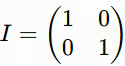
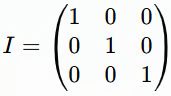
Macierz jednostkowa I to macierz kwadratowa pełniąca rolę elementu neutralnego względem mnożenia w algebrze macierzy. Mnożenie dowolnej zgodnej wymiarowo macierzy przez I pozostawia ją bez zmian. Możesz myśleć o niej jako o przekształceniu neutralnym, a ściślej: przekształceniu tożsamościowym.
Dla przypadku 2x2 jest to:
Przykład 3x3 to
Relacja definiująca to
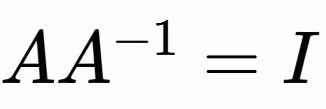
To pokazuje, że wymnożenie A przez jej odwrotność sprowadza układ do neutralnego punktu wyjścia. Chociaż mnożenie macierzy ogólnie nie jest przemienne, w tym szczególnym przypadku kolejność nie ma znaczenia: AA−1 = A−1A , ponieważ A i A⁻¹ są zdefiniowane jako odwrotności względem siebie.
Macierz kwadratowa A jest odwracalna dokładnie wtedy, gdy spełnia trzy równoważne warunki:
Jeśli którykolwiek z tych warunków nie jest spełniony, odwrotność nie istnieje.
Wyznacznik daje bezpośredni test liczbowy. Zatem jeśli det(A)=0, to rząd A jest ściśle mniejszy niż liczba wymiarów, a przekształcenie opisane przez A zapada się przynajmniej w jednym wymiarze, co samo w sobie uniemożliwia odtworzenie przekształcenia odwrotnego do A; formalnie oznacza to, że A nie ma odwrotności.
Jeśli det(A) jest niezerowy, to odwrotność istnieje i można ją obliczyć. Ta równoważność zachodzi dla każdej macierzy kwadratowej i nie wymaga dodatkowych wyprowadzeń w zastosowaniach praktycznych. Intuicyjnie możesz traktować wyznacznik jako skalar, który mówi, jak A skaluje objętość przestrzeni.
Zatem wartość |det(A)| > 1 oznacza, że A rozszerza przestrzeń; ujemny wyznacznik oznacza odwrócenie orientacji przestrzeni; dla |det(A)| < 1 A ją kurczy, a oczywiście zerowy wyznacznik oznacza, że przekształcenie opisane przez A zmniejsza wymiarowość tej przestrzeni (np. „zlepiając” dwie osie).
Macierz, która ma odwrotność, nazywamy odwracalną (lub nieosobliwą). Macierz bez odwrotności nazywamy osobliwą.
|
Własność |
Macierz odwracalna |
Macierz osobliwa |
|
Wyznacznik |
det(A) ≠ 0 |
det(A)=0 |
|
Rząd |
rank(A)=n |
rank(A)<n |
|
Wiersze/kolumny |
Liniowo niezależne |
Co najmniej jedna zależność liniowa |
|
Rozwiązanie Ax=b |
Dokładnie jedno rozwiązanie |
Brak rozwiązania lub nieskończenie wiele |
Istnieją dwie standardowe metody ręczne oraz bezpośrednie obliczenia w oprogramowaniu.
Dla
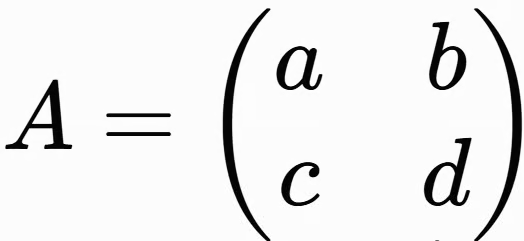
Przy det(A)=ad-bc≠0,
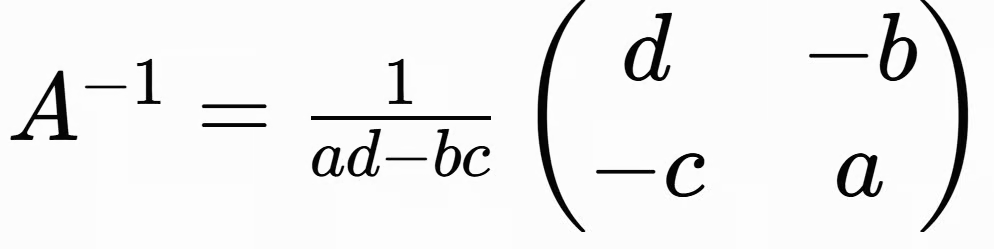
Utwórz macierz rozszerzoną [A| I] i stosuj elementarne operacje na wierszach, aż lewa połowa stanie się I. Prawa połowa będzie wtedy zawierać A-1.
W Pythonie z NumPy odwrotność uzyskasz przez numpy.linalg.inv(A) po upewnieniu się, że det(A) ≠ 0.
Rozważ macierz 2x2:
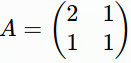
Najpierw oblicz wyznacznik:

Zatem A jest odwracalna. Zastosowanie wzoru dla 2x2 daje:
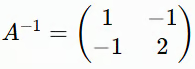
Sprawdźmy teraz otrzymane wyniki:

To samo zachodzi dla A-1A.
Macierze odwracalne są potrzebne wszędzie tam, gdzie przekształcenie liniowe musi być dokładnie odwracalne. W układach liniowych gwarantują istnienie jedynego rozwiązania. W uczeniu maszynowym pojawiają się w równaniach normalnych metody najmniejszych kwadratów, np. gdy macierz projektu ma pełny rząd kolumnowy.
Inny przykład to grafika komputerowa, gdzie reprezentują odwracalne przekształcenia, takie jak obroty, skalowania i translacje, które trzeba cofać na potrzeby renderowania lub animacji. Pojawiają się też w fizyce, np. przy rozwiązywaniu układów równań różniczkowych zwyczajnych, i mają wiele innych codziennych zastosowań.
Układ równań liniowych można zapisać zwięźle jako Ax=b, gdzie A to macierz współczynników, x to wektor niewiadomych, a b to wektor stałych. Jeśli A jest odwracalna, jedyne rozwiązanie otrzymujesz bezpośrednio przez
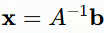
W tym przypadku żadne inne rozwiązanie nie spełnia równania.
To jedne z najczęstszych potknięć:
Oto główne własności macierzy odwracalnych w zakresie tego artykułu:
Nieosobliwość jest jednoznaczna: odwrotność jest jedyna.
Iloczyn AB jest odwracalny i

Odwrotność odwrotności to macierz wyjściowa:
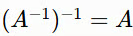
Wyznacznik odwrotności jest odwrotnością liczbową:

Transpozycja odwrotności równa się odwrotności transpozycji:

Macierz odwracalna to macierz kwadratowa, która ma jedyną odwrotność spełniającą A.A-1 = I.
Rozstrzygające testy to niezerowy wyznacznik oraz liniowa niezależność wierszy lub kolumn. Własności te są jedynymi wskaźnikami, że układ liniowy ma dokładnie jedno rozwiązanie, a przekształcenie liniowe można dokładnie odwrócić.
Opanowanie macierzy odwracalnych sprawi, że rozwiązywanie układów równań liniowych będzie wyjątkowo poręczne. Co więcej, będziesz w stanie budować wiarygodne modele w data science lub wykonywać dokładne obliczenia w każdej dziedzinie opierającej się na algebrze liniowej.
Ucz się z Datacamp
course
course
course